
Products
Premium tropical agriculture products and solutions, quality-tested, field-proven, and sourced for the plantation industry.
9
Products
20+
Countries Served
ISTA + AOSA
Tested Methods
<strong style="color:#1b4332;">Note on our name:</strong> Kudzu Seeds Trading supplies managed tropical cover crop seed. Pueraria javanica, one of our cover crops, is not the invasive kudzu vine (Pueraria montana) regulated in parts of the USA. Our seed is tested to ISTA and AOSA methods. <a href="/pages/pueraria-javanica-vs-invasive-kudzu" style="color:#1b4332;font-weight:600;">See the difference</a>.
Showing 9 products
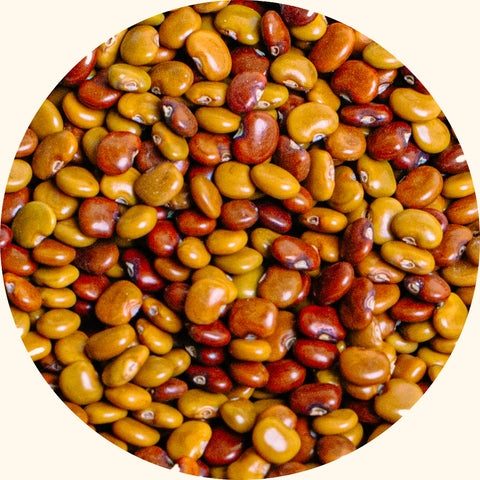
Cover Crop SeedsCalopogonium caeruleum (CC)
Calopogonium caeruleum (CC) is one of the most shade-tolerant tropical legume cover crops, suited to mature oil palm and rubber. It stays productive across 60 to 100% light transmission, tolerates acid soils to pH 4.0, and yields 3 to 7 t dry matter per hectare per year. Kudzu Seeds Trading supplies CC seed (germination-tested, ISPM 7 and BPI phytosanitary certification) for the Philippines and export.
PLANT CHARACTERPerennial, twining legume, stems become woody with age. Rooting in nodes when in contact with moist soil.
Growth: Spreads via stolons under favorable conditions.
USESGreen manure, nitrogen fixation, weed suppression and erosion control under tree crops. Calopogonium caeruleum is one of the most shade-tolerant tropical legumes, staying productive across 60 to 100% light transmission and persisting under mature canopy where other covers thin out. In a Nigerian trial it gave the second-highest green-manure effect among 12 legumes tested, an equivalent of about 90 kg N/ha (Tropical Forages, CSIRO/CIAT). Often used as part of a multi-species cover crop mixture in oil palm and rubber plantations.
GROWTH HABITTolerates heavy shade. Grows in soils with pH as low as 4.0. More drought tolerant but slower to establish than CM and PJ. May take 20 months to achieve a complete cover.
SEEDING RATEPure stand: 3-4.5 kg/ha; in a legume mixture: 1-1.5 kg/ha
PLANTING METHODDrill or plants in holes
DRY MATTER PRODUCTION3-7 t/ha/year
NO. OF SEEDS/KG14,500 to 14,700 seeds
Research-backed performance
Peer-reviewed evidence
By the numbers
Species performance data from Tropical Forages (CSIRO/CIAT) and tropical plantation research.
3-7
t dry matter per hectare per year
Among the most productive herbaceous legumes; leaf fall alone can reach 7 t DM/ha/year.
Tropical Forages (CSIRO/CIAT), Calopogonium caeruleum
~90
kg/ha nitrogen equivalent
Second-highest green-manure effect among 12 legumes tested in a Nigerian field trial.
Tropical Forages (CSIRO/CIAT), Calopogonium caeruleum
60-100%
Light transmission, stays productive
One of the most shade-tolerant tropical legumes; persists under mature plantation canopy.
Tropical Forages (CSIRO/CIAT), Calopogonium caeruleum
pH 4.0
Acid-soil tolerance
Grows on soils with pH as low as 4.0 and persists on rainfall down to 700 mm.
Tropical Forages (CSIRO/CIAT), Calopogonium caeruleum
Performance data sourced from Tropical Forages (CSIRO/CIAT). View the Calopogonium caeruleum factsheet →
SUPPLIERSupplied by Kudzu Seeds Trading, the Philippines-based sister company of Chemiseed Sdn. Bhd. All seeds are tested for germination before shipment and exported with phytosanitary certification (ISPM 7 compliant, Philippine NPPO / Bureau of Plant Industry).
GLOBAL AVAILABILITYAvailable for export to tropical regions worldwide, including Southeast Asia, Latin America, Africa, South Asia, and the Pacific Islands. Contact us for bulk pricing and export documentation.
Related Resources
Buy cover crop seeds in the Philippines
Compare All Five Cover Crop Species
Best Cover Crop for Oil Palm Plantations
Best Cover Crop for Rubber Plantations
Cover Crops 101: A Guide for Tropical Plantations
Frequently Asked Questions
Plan with our free calculators
Estimate the nitrogen this cover crop can contribute with the Nitrogen Fixation Calculator, or model erosion control with the Soil Erosion Calculator. Browse all our plantation tools.
Last reviewed June 2026 by Kudzu Seeds Trading.
Request Quote
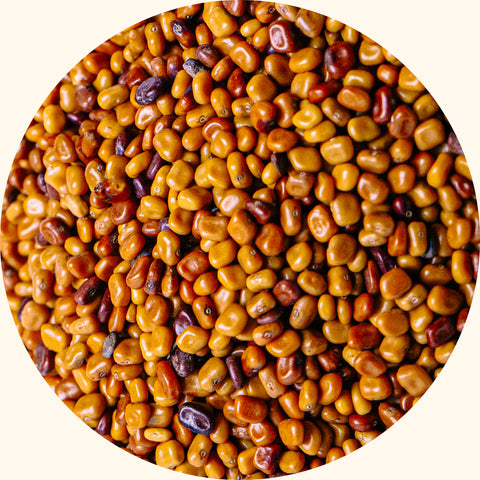
Cover Crop SeedsCalopogonium mucunoides (CM)
Calopogonium mucunoides (CM) is a fast-establishing annual legume cover crop for rubber, coconut and oil palm. It produces dense ground cover quickly, fixes nitrogen, and decomposes fast to recycle nutrients (95.61% within 3 months; 10,773 kg fresh biomass/ha at 150 days). Kudzu Seeds Trading supplies CM seed (germination-tested, ISPM 7 and BPI phytosanitary certification) for the Philippines and export.
PLANT CHARACTER
Trailing annual legume with creeping and twining growth. Establishes quickly, producing dense vegetative cover under rubber, coconut, and banana canopies across tropical growing conditions. Adapts well to a range of tropical soil types found throughout tropical regions worldwide.
USES
Nitrogen fixation, erosion control, soil cover, green manure, and weed suppression. Established as a basin legume in coconut systems, Calopogonium mucunoides contributes 27.21 kg of biomass and 186.5 g of nitrogen per basin (Thomas & Shantaram, 1993), and alongside Pueraria javanica, can substitute up to 30% of nitrogen fertiliser requirements in adult coconut. See how CM compares to other species in our five-species cover crop comparison.
GROWTH HABIT
Rapid early establishment under tropical conditions. In Zamboanga Peninsula trials (Department of Agriculture Region 9), Calopogonium mucunoides produced 10,773 kg of fresh biomass per hectare at 150 days after planting. Decomposes at 95.61% within 3 months, one of the fastest nutrient-cycling cover crops for tropical inter-row and basin systems.
PLANTING TYPE & SEEDING RATE
Pure stand: 4-6 kg/ha; in a legume mixture: 1-3 kg/ha
PLANTING METHOD
Direct sowing, broadcast or rows
DRY MATTER PRODUCTION
6-10 t/ha/year
NO. OF SEEDS/KG
~70,000 seeds (1000-seed weight 13-15 g, PROSEA)
Research-backed performance
Peer-reviewed evidence
By the numbers
Research from Philippine DA field trials, peer-reviewed coconut agronomy studies, and tropical plantation research.
10,773
kg fresh biomass at 150 days
Philippines field trial, Zamboanga Peninsula, strong tropical performance under rubber canopy.
Dept. of Agriculture Region 9, Philippines Cover Crop Trial
95.61%
Decomposition within 3 months
Rapid nutrient release back into the root zone under tropical conditions.
Dept. of Agriculture Region 9, Philippines Cover Crop Trial
27 kg + 187 g N
Biomass & nitrogen per coconut basin
27.21 kg biomass and 186.5 g nitrogen per basin, among the highest of any tested legume species.
Thomas & Shantaram 1993, Int. Coconut Community Journal
Up to 30%
N fertiliser substitution in coconut
Reduces nitrogen input costs in coconut plantations, backed by Coconut Board of India research.
Indian Coconut Journal 2022, Coconut Board of India
All statistics from peer-reviewed or institutional sources. View Thomas & Shantaram coconut basin study →
SUPPLIERSupplied by Kudzu Seeds Trading, the Philippines-based sister company of Chemiseed Sdn. Bhd. All seeds are tested for germination before shipment and exported with phytosanitary certification (ISPM 7 compliant, Philippine NPPO / Bureau of Plant Industry).
GLOBAL AVAILABILITYAvailable for export to tropical regions worldwide, including Southeast Asia, Latin America, Africa, South Asia, and the Pacific Islands. Contact us for bulk pricing and export documentation.
Related Resources
Buy cover crop seeds in the Philippines
Compare All Five Cover Crop Species
Best Cover Crop for Oil Palm Plantations
Best Cover Crop for Rubber Plantations
Cover Crops 101: A Guide for Tropical Plantations
Frequently Asked Questions
Plan with our free calculators
Estimate the nitrogen this cover crop can contribute with the Nitrogen Fixation Calculator, or model erosion control with the Soil Erosion Calculator. Browse all our plantation tools.
Last reviewed June 2026 by Kudzu Seeds Trading.
Request Quote
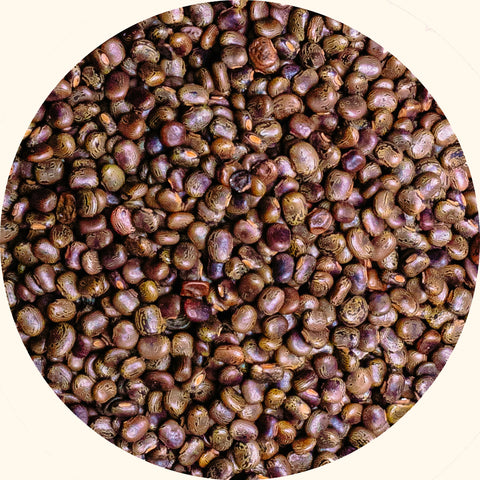
Cover Crop SeedsCentrosema pubescens (CP)
Centrosema pubescens (CP) is a shade-tolerant perennial legume cover crop for plantation inter-rows and agroforestry. It fixes nitrogen even under canopy shade up to 80% (120 to 270 kg N/ha/year) and forms persistent ground cover in 4 to 8 months. Kudzu Seeds Trading supplies CP seed (germination-tested, ISPM 7 and BPI phytosanitary certification) for the Philippines and export.
PLANT CHARACTER
Robust, creeping perennial legume with good shade tolerance. Produces persistent ground cover even under established plantation canopies. Deep-rooting system contributes to subsoil nutrition and aggregate stability.
USES
Nitrogen fixation under shade, erosion control, soil cover in cacao and agroforestry systems, and establishment for replanting and slope protection. Centrosema pubescens sustains biological nitrogen fixation at 120-270 kg N/ha/year even under canopy shade up to 80%, making it a strong choice where other cover crops struggle beneath closed cacao or rubber canopies. Tissue nitrogen remains stable at 2.4-2.7%, maintaining continuous fertility contribution through leaf turnover. See how CP performs against other species in our five-species cover crop comparison.
GROWTH HABIT
Achieves dense ground cover within 4-8 months under adequate rainfall. Requires good conditions during establishment but produces persistent, self-maintaining cover once rooted. Suitable for slope gradients where erosion risk is high.
PLANTING TYPE & SEEDING RATE
Pure stand: 3-4.5 kg/ha; in a legume mixture: ~2 kg/ha
PLANTING METHOD
Direct sowing, broadcast or rows
DRY MATTER PRODUCTION
5-9 t/ha/year
NO. OF SEEDS/KG
~65,000 seeds
Research-backed performance
Peer-reviewed evidence
By the numbers
Species performance data from agronomic field observation and institutional references across SE Asian plantation systems.
120-270
kg N fixed per hectare per year
Sustained nitrogen fixation even under canopy shade up to 80%, strong performance among tropical legumes.
PROSEA / PlantUse, Centrosema pubescens
Up to 80%
Canopy shade tolerance
Persists under heavy shade, yielding up to 80% of its optimal output, among the most shade-tolerant cover crop species available.
Lucid Pastures, Centro Factsheet
4-8
Months to dense ground cover
Forms a compact cover 35-45 cm deep under adequate rainfall. Requires good conditions during establishment.
Lucid Pastures, Centro Factsheet
2.4-2.7%
Tissue nitrogen content
Stable tissue nitrogen even under shade, continuous fertility contribution through leaf turnover.
PROSEA / PlantUse, Centrosema pubescens
Centrosema pubescens is a strong cover crop option where other species struggle under established canopies. Performance data sourced from institutional and peer-reviewed references.
SUPPLIERSupplied by Kudzu Seeds Trading, the Philippines-based sister company of Chemiseed Sdn. Bhd. All seeds are tested for germination before shipment and exported with phytosanitary certification (ISPM 7 compliant, Philippine NPPO / Bureau of Plant Industry).
GLOBAL AVAILABILITYAvailable for export to tropical regions worldwide, including Southeast Asia, Latin America, Africa, South Asia, and the Pacific Islands. Contact us for bulk pricing and export documentation.
Related Resources
Buy cover crop seeds in the Philippines
Compare All Five Cover Crop Species
Best Cover Crop for Oil Palm Plantations
Best Cover Crop for Rubber Plantations
Cover Crops 101: A Guide for Tropical Plantations
Frequently Asked Questions
Plan with our free calculators
Estimate the nitrogen this cover crop can contribute with the Nitrogen Fixation Calculator, or model erosion control with the Soil Erosion Calculator. Browse all our plantation tools.
Last reviewed June 2026 by Kudzu Seeds Trading.
Request Quote
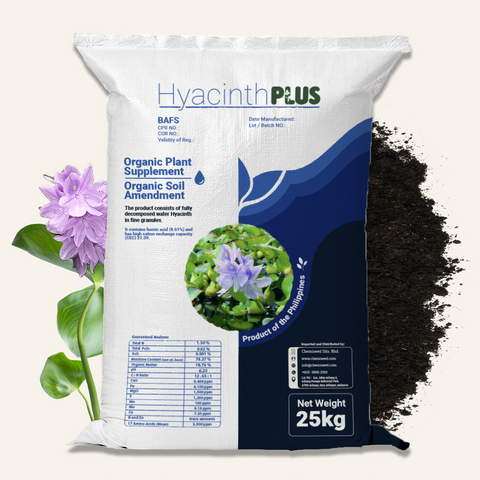
Soil SolutionsHyacinth PlusHyacinth Plus is a premium organic plant supplement and soil amendment, derived from water hyacinth, an abundant aquatic plant transformed into a powerful soil enhancer.
What was once an overlooked aquatic plant, is now the foundation of a powerful agricultural innovation. Hyacinth Plus was born from a vision to transform nature's excess into nature's advantage. By harvesting fully decomposed water hyacinth directly from the lake, we unlocked the hidden potential, creating a premium soil conditioner that enriches soil, nurtures crops and restores ecological balance.
Designed for high-performance farming, it delivers consistent results across both organic and commercial agriculture. For enhanced soil conditioning, pair Hyacinth Plus with SoilBoost EA for comprehensive nutrient retention and structure improvement.
Key Benefits of Hyacinth Plus
Improves Soil Structure
Enhances soil aeration and porosity
Improves soil aggregation and reduces compaction
Supports stronger root penetration
Enhances Nutrient Retention
Contains humic substances that increase soil cation exchange capacity (CEC)
Improves nutrient availability and uptake efficiency
Promotes Healthy Root Development
Encourages deeper and stronger root systems
Improves seedling establishment and early crop vigor
Improves Soil Biological Activity
Supports beneficial soil microorganisms
Enhances organic matter decomposition and nutrient cycling
Improves Soil Moisture Retention
Helps soil hold water longer
Reduces plant stress during dry conditions
Supports Sustainable Agriculture
Produced from recycled aquatic biomass
Promotes ecological balance and soil regeneration
Application Guide
Rice
Growth stage: Broadcast during transplanting.
Application rate: 500kg/ha. Add as needed.
Corn
Growth stage: Spread along the furrow line during sowing.
Application rate: 500kg/ha. Add as needed.
Plantation Crops
(Banana, Coconut, Oil Palm, Mango, Pineapple, Sugarcane, Tobacco)
Established plants
Application rate: 2–3 tons/ha. Add as needed.
Seedling stage
Application rate: 1–3 kg per plant. Increase depending on plant size.
Solanaceous Crops
(Tomato, Eggplant)
Application stage: During or after planting
Application rate: 500 g – 1 kg/plant. Add as needed
Bulb Crops
(Onion, Garlic)
Application stage: During or after planting
Application rate: 500 g – 1 kg/plant. Add as needed
Crucifer Crops
(Cabbage, Cauliflower)
Application stage: During or after planting
Application rate: 500 g – 1 kg/plant. Add as needed
Cucurbits
(Cucumber, Squash, Melons, Gourds)
Application stage: During or after planting
Application rate: 500 g – 1 kg/plant. Add as needed
Root Crops
(Sweet Potato, Radish)
Application stage: During or after planting
Application rate: 500 g – 1 kg/plant. Add as needed
How to Order
This product is available by quotation only. Pricing depends on order volume, destination, and application requirements.
Request a Quote: Submit an inquiry or WhatsApp us directly.
Export / International: We ship globally. Contact us for CIF/FOB pricing and export documentation.
Request Quote
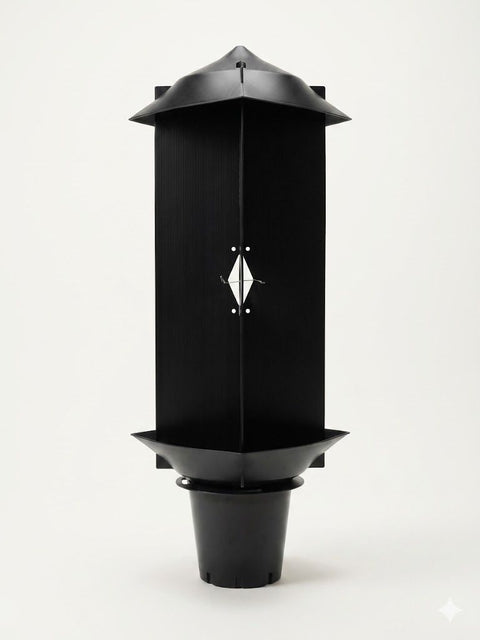
Pest ManagementKudzu RB Lure
Pheromone-Based Mass-Trapping Support for Rhinoceros Beetles
What is Kudzu RB Lure?
A scientifically formulated, slow-release pheromone designed for the mass trapping of Oryctes rhinoceros (L.) rhinoceros beetles. It is used in coconut and oil palm plantations to support beetle monitoring and mass trapping as part of an integrated pest management (IPM) program, helping reduce beetle damage to young palms and coconut trees. Trapping results vary by pest pressure, trap placement, crop stage, and local conditions. KUDZU RB LURE is easy to handle and supports low-chemical, pheromone-based pest management.Manufactured for Chemiseed Sdn. Bhd. by ChemTica International, S.A., Costa Rica.For Asia, RB Lure is supplied exclusively by Chemiseed; distributed in the Philippines by Kudzu Seeds Trading, sister company of Chemiseed Sdn. Bhd.
Key Features:
Advanced Formulation: Slow-release pheromone formulated to attract Oryctes rhinoceros.
Targeted Action: Developed to attract rhinoceros beetles, making it a useful tool within Integrated Pest Management (IPM).
Benefits:
Mass-trapping support: Designed to attract and trap rhinoceros beetles, supporting population monitoring and reduction as part of IPM.
Damage reduction: Trapping can help reduce beetle-induced damage to oil palms and coconut trees.
Lower chemical reliance: A pheromone-based measure that can reduce reliance on chemical insecticides within an IPM program.
Optimal Usage:
Trap Density:
Placement: For best coverage, place one (1) pheromone trap per 2 hectares.
Positioning: Hang the traps 2-3 metres above the soil surface along the rows of the palms, where rhinoceros beetles are more likely to encounter the dispersed pheromone.
Kudzu RB Lure Sachet Details:
Composition: Each pheromone sachet contains a formulation of the Oryctes rhinoceros pheromone (ethyl 4-methyloctanoate) in a slow-release matrix, formulated to remain active over an 8-10 week period.
Duration: The slow-release design provides a consistent, gradual emission of the pheromone over the stated period.
Sachets per 2 Hectares
Initial setup: For a 2-hectare area, set up one trap. Up to four (4) sachets per trap may be used in high-pressure areas.
Ongoing maintenance:
Replacement frequency: Replace the sachet every 8-10 weeks, or sooner if the catch rate drops significantly.
Monitoring: Check traps regularly to assess catch rate and sachet condition. High-infestation areas may need closer monitoring and more frequent replacement.
Why Choose Kudzu RB Lure?
Field-used: Used by farmers and plantation managers for rhinoceros beetle monitoring and mass trapping.
Sustainable agriculture: Supports sustainable farming practices by reducing reliance on chemical insecticides.
Contact us at info@kudzuseeds.com for more details.
Global Availability
RB Lure is available for export to tropical regions worldwide where rhinoceros beetle (Oryctes rhinoceros) is present, including Southeast Asia, Latin America, Africa, South Asia, and the Pacific Islands. Contact us for bulk pricing and export documentation.
Related Resources
Buy rhinoceros beetle traps (Kudzu RB Lure)
Complete Guide to Rhinoceros Beetle Pheromone Trapping
Cover Crops for Cogon-Prone Fields
Frequently Asked Questions
Request Quote
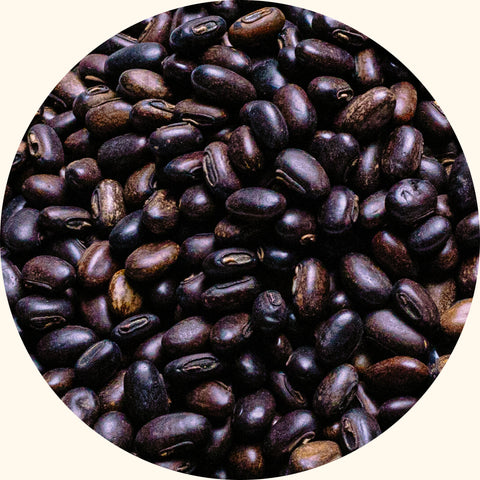
Cover Crop SeedsMucuna bracteata (MB)
Mucuna bracteata (MB) is a vigorous perennial legume cover crop for young oil palm and rubber. It fixes 67 to 84% of its nitrogen from the air (150 to 200 kg N/ha/year), reaches 100% ground cover in about 6 months, and suppresses weeds by 94.7 to 99.9% versus bare inter-rows. Kudzu Seeds Trading supplies MB seed (germination-tested, ISPM 7 and BPI phytosanitary certification) for the Philippines and export.
PLANT CHARACTER
Perennial, creeping, aggressive climber. Thick stems and pseudo tap roots extending 2 to 3m deep. Branches from each node. Adventitious roots do not form easily from nodes touching the ground.
USES
Nitrogen fixation, weed suppression, erosion control, soil moisture and temperature regulation, and soil organic matter improvement. Research conducted by the Malaysian Palm Oil Board (MPOB) confirms that Mucuna bracteata derives 67 to 84% of its nitrogen directly from the atmosphere, delivering 150 to 200 kg of fixed nitrogen per hectare per year under Southeast Asian plantation conditions, a proven reduction in synthetic fertiliser dependency. Learn how MB compares to other species in our five-species cover crop comparison.
GROWTH HABIT
Shade tolerant during establishment. Initial growth is slow during the first 8 to 10 months before becoming highly prolific. Achieves 100% ground cover within 6 months under adequate rainfall, confirmed as the fastest canopy closure of any cover crop tested in Malaysian plantation trials.
WEED CONTROL
The dense legume mat suppresses weed density and dry weight by 94.7 to 99.9% versus unweeded control plots in oil palm inter-rows, effectively eliminating Imperata cylindrica (lalang/cogon grass) and broadleaf competitors, reducing or eliminating herbicide passes.
PLANTING TYPE & SEEDING RATE
Monoculture: 85 to 100 g/ha
PLANTING METHOD
Nursery then field transplanting in points (holes)
DRY MATTER PRODUCTION
Up to 28 t/ha/year (open canopy); about 13 t/ha/year under 60 to 70 percent shade (MPOB)
NO. OF SEEDS/KG
5,900 to 6,000 seeds
Research-backed performance
Peer-reviewed evidence
By the numbers
Data from MPOB, JCU, and peer-reviewed plantation trials across Malaysia, Indonesia, and Nigeria.
67 to 84%
Nitrogen from the atmosphere
Confirmed by 15N isotope dilution tracing in a 3-year oil palm plantation, Malaysia.
MPOB / Cheah et al., Oil Palm Bulletin No. 60
150 to 200
kg N fixed per hectare per year
Routine fixation rate when established at 100% ground cover under Southeast Asian plantation conditions.
JCU / Pipai 2023, Biological N Fixation in Oil Palm
6
Months to 100% ground cover
Fastest canopy closure of any cover crop tested under Malaysian and Indonesian plantation conditions.
CABI / JOPR 2025, Cover Crops in Malaysian Oil Palm
84%
Higher oil yield vs. bare soil
5-year field trial in Southern Nigeria: 1.69 t/ha (Mucuna) vs 0.92 t/ha (control) by year 5.
Direct Research Journal of Agric. & Food Science 2022
94.7 to 99.9%
Reduction in weed density
Weed density and dry weight reduction vs. unweeded control plots in oil palm inter-rows.
CABI Digital Library, Cover Crops & Weed Suppression in Oil Palm
1.11
g/cm3 bulk density
Under Mucuna bracteata vs. 1.40 g/cm3 in bare-soil controls. Improved soil porosity and root penetration.
Direct Research Journal of Agric. & Food Science 2022
All statistics are drawn from peer-reviewed or institutional research. View MPOB nitrogen fixation bulletin
SUPPLIERSupplied by Kudzu Seeds Trading, the Philippines-based sister company of Chemiseed Sdn. Bhd. All seeds are tested for germination before shipment and exported with phytosanitary certification (ISPM 7 compliant, Philippine NPPO / Bureau of Plant Industry).
GLOBAL AVAILABILITYAvailable for export to tropical regions worldwide, including Southeast Asia, Latin America, Africa, South Asia, and the Pacific Islands. Contact us for bulk pricing and export documentation.
Related Resources
Buy cover crop seeds in the Philippines
Compare All Five Cover Crop Species
Mucuna bracteata vs Pueraria javanica: Head-to-Head Comparison
Best Cover Crop for Oil Palm Plantations
Best Cover Crop for Rubber Plantations
Cover Crops 101: A Guide for Tropical Plantations
Frequently Asked Questions
Plan with our free calculators
Estimate the nitrogen this cover crop can contribute with the Nitrogen Fixation Calculator, or model erosion control with the Soil Erosion Calculator. Browse all our plantation tools.
Last reviewed June 2026 by Kudzu Seeds Trading.
Request Quote

Tools & EquipmentOil Palm Harvesting PoleOil Palm Harvesting Pole
is a professionally engineered tool designed to improve harvesting efficiency, reduce physical strain, and enhance safety in plantation environments. Built with high-strength aluminium alloy and precision-forged components, this pole delivers superior durability, control, and performance for daily harvesting operations.
Designed for modern plantation needs, the harvesting pole combines lightweight construction, ergonomic handling, and a razor-sharp blade system to ensure faster, smoother, and safer harvesting. Its modular and telescopic design allows flexibility across different palm heights, making it a reliable tool for both small-scale and large-scale plantations.
This harvesting pole is ideal for oil palm plantations, agricultural estates, and professional harvesters seeking efficiency, safety, and long-term reliability.
Product Components (from the brochure)
1. Pole
Material: High-strength Aluminium Alloy 6061 T6
Lengths: 2 m to 8 m (fixed or extendable)
Sizes: 32 mm, 38 mm, 45 mm diameters
Feature: Modular telescopic system for different heights
2. Blade / Sickle
Material: Premium spring steel
Process: Forged and heat-treated for durability
Feature: Razor-sharp cutting edge with curved profile
3. End Cap
Material: Durable polypropylene (impact and weather-resistant)
4. Grip
Material: Anti-slip insulating material
Handling: Offers a secure, comfortable hold that improves grip for faster, smoother harvesting.
Security: Provides protection against electrocution hazards such as lightning strikes or accidental contact with live cables.
Performance: Designed to reduce hand fatigue and minimize the risk of blisters and friction injuries during prolonged use.
5. Blade Cover
Feature: 6mm bolt and nut firmly lock the sickle to the pole, preventing loosening or accidents.
Protective Cover: Shields against accidental cuts, preserves blade sharpness, and enhances safety during transport/storage
How to Order
This product is available by quotation only. Pricing depends on order volume, destination, and application requirements.
Request a Quote: Submit an inquiry or WhatsApp us directly.
Export / International: We ship globally. Contact us for CIF/FOB pricing and export documentation.
Request Quote
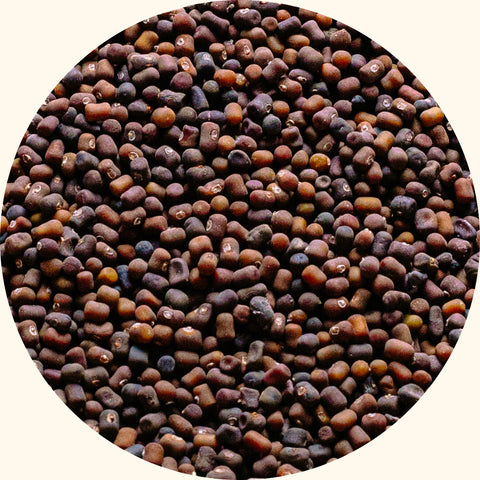
Cover Crop SeedsPueraria javanica (PJ)
Pueraria javanica (PJ), also called tropical kudzu or mani-mani, is a fast-growing tropical legume cover crop for rubber, coconut, oil palm and banana. It fixes nitrogen up to about 250 kg N/ha/year at full ground cover, forms dense ground cover quickly, and sharply reduces erosion (up to 88% less runoff in replanted rubber). Kudzu Seeds Trading supplies PJ seed (germination-tested, ISPM 7 and BPI phytosanitary certification) for the Philippines and export.
PLANT CHARACTER
Fast-growing, trailing to twining annual/short-lived perennial legume. Forms a dense, self-regenerating ground cover under rubber, coconut, and banana plantation canopies. Deep root system contributes to subsoil moisture access and nutrient cycling across tropical plantation conditions.
USES
Nitrogen fixation, erosion control, soil moisture retention, potassium cycling, weed suppression, and cover crop for replanting phases. Field research confirms Pueraria javanica can fix up to 250 kg of nitrogen per hectare per year, with 85-93% of that nitrogen drawn directly from the atmosphere at full ground cover. In replanted rubber, a legume cover including Pueraria reduced runoff by 88% and soil loss by 98% versus bare soil (Perron et al., 2024). See how PJ compares to other species in our five-species cover crop comparison.
GROWTH HABIT
Vigorous establishment under full sun and moderate shade. In Zamboanga Peninsula trials (Department of Agriculture Region 9), Pueraria javanica produced 14,347 kg of fresh biomass per hectare at 150 days after planting. Biomass decomposes at 95.66% within 3 months, releasing 3.572% N, 0.245% P, and 0.809% K directly back into the root zone.
COCONUT & MULTI-CROP USE
Established as a basin legume in coconut, Pueraria javanica contributes 28.45 kg of biomass and 196.2 g of nitrogen per basin, and can substitute up to 30% of nitrogen fertiliser requirements (Indian Coconut Journal, 2022). Well-suited to intercropping systems across tropical plantation regions worldwide.
PLANTING TYPE & SEEDING RATE
Pure stand: 4-6 kg/ha; in a legume mixture: 2-4 kg/ha
PLANTING METHOD
Direct sowing, broadcast or rows
DRY MATTER PRODUCTION
8-12 t/ha/year
NO. OF SEEDS/KG
~55,000 seeds
Research-backed performance
Peer-reviewed evidence
By the numbers
Research data from Philippine DA trials, Southeast Asian plantation studies, peer-reviewed erosion research, and tropical agronomy literature.
~250
kg N fixed per hectare per year
Upper-range biological nitrogen fixation at full ground cover, immature rubber, Southeast Asia.
Vrignon-Brenas et al. 2019, Agronomy for Sustainable Development
14,347
kg fresh biomass at 150 days
Zamboanga Peninsula, Philippines field trial, the highest biomass of any tested cover crop.
Dept. of Agriculture Region 9, Philippines Cover Crop Trial
95.66%
Decomposition in 3 months
Releasing 3.572% N, 0.245% P, and 0.809% K per tissue weight back into the root zone.
Dept. of Agriculture Region 9, Philippines Cover Crop Trial
88% / 98%
Less runoff / less soil loss
Peer-reviewed 2024 study on replanted rubber, dramatic erosion control from the first season.
Perron et al. 2024, Science of the Total Environment
Up to 30%
N fertiliser substitution in coconut
Established in coconut basins alongside Calopogonium mucunoides, reduces nitrogen fertiliser dependency.
Indian Coconut Journal 2022, Coconut Board of India
39-46%
Of rubber leaf N from Pueraria
Transfer of fixed nitrogen from Pueraria phaseoloides to rubber trees measured in plantation trials.
ResearchGate / Clermont-Dauphin, Pueraria-Hevea N Transfer Study
All statistics from peer-reviewed or institutional research sources. View Philippines DA Region 9 cover crop trial →
SUPPLIERSupplied by Kudzu Seeds Trading, the Philippines-based sister company of Chemiseed Sdn. Bhd. All seeds are tested for germination before shipment and exported with phytosanitary certification (ISPM 7 compliant, Philippine NPPO / Bureau of Plant Industry).
GLOBAL AVAILABILITYAvailable for export to tropical regions worldwide, including Southeast Asia, Latin America, Africa, South Asia, and the Pacific Islands. Contact us for bulk pricing and export documentation.
Species Clarification: Not Invasive Kudzu
Pueraria javanica (PJ) is a non-invasive tropical legume native to Southeast Asia. It is taxonomically distinct from Pueraria montana var. lobata, the aggressive vine commonly known as "kudzu" in the United States. PJ grows as a controlled ground cover, does not climb aggressively into tree canopies, and has been safely used in oil palm and rubber plantations across Malaysia, Indonesia, and the Philippines for decades.
Read our full species comparison: Is Pueraria javanica the Same as Invasive Kudzu?
Related Resources
Buy cover crop seeds in the Philippines
Compare All Five Cover Crop Species
Pueraria javanica vs Mucuna bracteata: Head-to-Head Comparison
Is Pueraria javanica the Same as Invasive Kudzu?
Best Cover Crop for Oil Palm Plantations
Best Cover Crop for Rubber Plantations
Cover Crops 101: A Guide for Tropical Plantations
Frequently Asked Questions
Plan with our free calculators
Estimate the nitrogen this cover crop can contribute with the Nitrogen Fixation Calculator, or model erosion control with the Soil Erosion Calculator. Browse all our plantation tools.
Last reviewed June 2026 by Kudzu Seeds Trading.
Request Quote
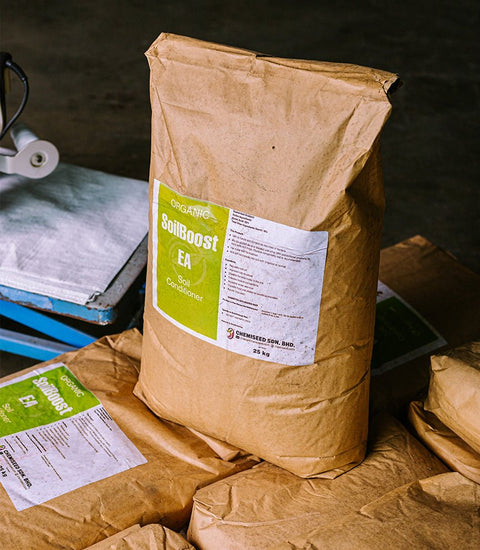
Soil SolutionsSoilBoost EAWHAT IS SOILBOOST EA?
SoilBoost EA is a concentrated humic acid soil conditioner manufactured exclusively by Chemiseed Sdn. Bhd., Malaysia (it is not sold by any other company). Formulated for tropical plantation crops. Derived from leonardite, it delivers active humic and fulvic molecules directly to the root zone, improving nutrient uptake efficiency, soil structure, and biological activity across oil palm, rubber, cacao, durian, and associated crops.
SOURCE AND KEY INGREDIENTS
SoilBoost EA is produced from 100% Leonardite ore, the richest natural source of humic substances. Composition: leonardite-derived humic acid, an active fulvic fraction, approximately 0.45% sulphur, pH 3.84, plus chelated micronutrients (iron, zinc, copper). Humic acid raises the soil cation exchange capacity and builds structure, while the mobile fulvic fraction carries micronutrients into the plant. Learn how Leonardite humic acid works.
THE SCIENCE
A 2024 meta-analysis (Ma et al., Agronomy, MDPI) covering multiple crops and environments found that humic acid amendment delivers an average +12% crop yield uplift, +27% improvement in nitrogen use efficiency, and +17% increase in nitrogen uptake. A second landmark meta-analysis (Rose et al., 2014, Advances in Agronomy) across hundreds of studies found average shoot dry weight increases of ~22% and root dry weight increases of ~21% in response to humic substances, with stronger responses (~28%) under high-stress conditions.
HOW IT WORKS
SoilBoost EA operates through four proven biochemical pathways:
Nutrient chelation, forms stable, water-soluble complexes with iron, zinc, copper, and other micronutrients, keeping them bioavailable rather than precipitated
CEC enhancement, increases the soil's cation exchange capacity, preventing leaching of potassium, calcium, magnesium, and ammonium during heavy rainfall
Gene upregulation, activates nitrate absorption genes (NRT2.1, MHA2) in plant roots, increasing nitrogen uptake efficiency at the cellular level
Organo-mineral complexation, physically protects labile soil carbon from rapid decomposition, building long-term soil fertility
OPTIMAL CONDITIONS
Responses are strongest in soils with moderate pH (6-8), annual rainfall above 300 mm, and low baseline nitrogen, conditions that align precisely with tropical plantation soils across Southeast Asia.
APPLICATION
Soil drench, fertigation, or foliar application depending on crop stage and target outcome. Best results when used in combination with established leguminous cover crops, which provide the organic substrate for humic molecule activation.
Research-backed performance
EXCLUSIVE MANUFACTURERSoilBoost EA is manufactured exclusively by Chemiseed Sdn. Bhd., Malaysia. Kudzu Seeds Trading, its sister company, offers SoilBoost EA to its markets. SoilBoost EA is not available from any other supplier.
GLOBAL AVAILABILITYAvailable for export to tropical regions worldwide, including Southeast Asia, Latin America, Africa, South Asia, and the Pacific Islands. All shipments include phytosanitary certification (ISPM 7 compliant). Contact us for bulk pricing and export documentation.
Peer-reviewed evidence
By the numbers
Evidence from two landmark meta-analyses covering hundreds of peer-reviewed studies across crops, climates, and soil types.
+12%
Average crop yield uplift
Meta-analytic average across multiple crops and environments. Stronger responses under stress conditions.
Ma et al. 2024, Agronomy (MDPI), Humic Acid Meta-Analysis
+27%
Nitrogen use efficiency
Humic acid amendment consistently improves how much of your applied nitrogen is actually taken up by the crop.
Ma et al. 2024, Agronomy (MDPI), Humic Acid Meta-Analysis
+17%
Total nitrogen uptake
Average increase in nitrogen uptake across crops, directly reducing synthetic fertiliser dependency.
Ma et al. 2024, Agronomy (MDPI), Humic Acid Meta-Analysis
~22%
Shoot dry weight increase
Random-effects meta-analysis across hundreds of studies and crop types worldwide.
Rose et al. 2014, Advances in Agronomy (Vol. 124)
~21%
Root dry weight increase
Larger, denser root systems mean better nutrient scavenging and drought resilience across plantation crops.
Rose et al. 2014, Advances in Agronomy (Vol. 124)
4
Proven mechanisms of action
Nutrient chelation (Fe, Zn, Cu) · CEC enhancement · Gene upregulation (NRT2.1, MHA2) · Organo-mineral complexation.
Ma et al. 2024 / Rose et al. 2014, Peer-reviewed meta-analyses
Humic acid responses are strongest in soils with moderate pH (6-8), annual rainfall >300 mm, and low baseline nitrogen, conditions aligned with tropical plantation agriculture. View Ma et al. 2024 meta-analysis →
Field trial: FPA EUP 3227
OFFICIAL EFFICACY TRIAL (PHILIPPINES)
SoilBoost EA was evaluated in an independent bioefficacy trial conducted for Philippine product registration under the Fertilizer and Pesticide Authority (FPA Experimental Use Permit No. 3227), registered to Kudzu Seeds Trading. The randomized complete block trial (6 treatments, 3 replications) was run by an FPA-accredited researcher at the PCA-Davao Research Center on tissue-cultured Lacatan banana seedlings, and was certified as following Good Agricultural Practices.
What the trial found (3 months after application, all differences statistically significant at p < 0.01):
SoilBoost EA used on its own produced taller seedlings with greater girth and more leaves than the unfertilized control.
The strongest growth came from combining a balanced fertilizer program with SoilBoost EA, confirming its role as a soil conditioner that helps fertilizer work harder, not a fertilizer replacement.
SoilBoost EA raised soil organic matter, available phosphorus and potassium, lifted soil pH, and improved the soil's water-holding capacity (88.7% versus 80.0% in the untreated control), with soil drying out more slowly.
A summary of this FPA trial is available on request. See the Evidence Hub for the full data tables, or contact our technical team.
Related Resources
Leonardite Humic Acid: Source, Composition, and How It Works
SoilBoost EA for Durian and Tropical Fruit Trees
How to Pair SoilBoost EA with Cover Crops for Maximum Soil Health
Browse All Cover Crop Seeds
Frequently Asked Questions
Plan with our free calculators
Work out exactly how much SoilBoost EA to apply by crop, area, and method with the SoilBoost EA Application Rate Calculator. Browse all our plantation tools.
Request Quote
-
-
-
-
 Sold outSold out
 -
-
-
 Sold outSold out
 -
-


