
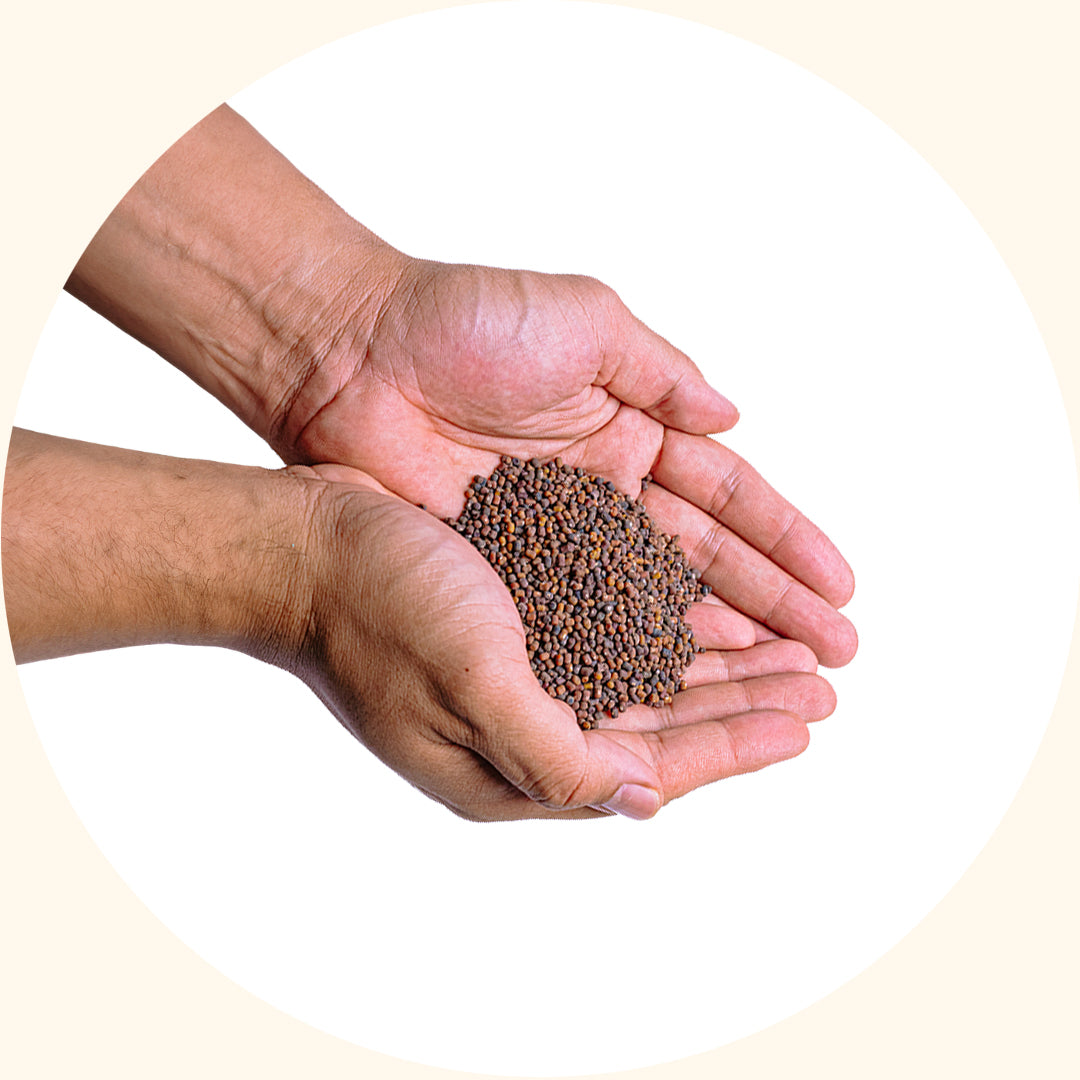
Pueraria javanica (PJ)
PLANT CHARACTER Fast-growing, trailing to twining annual/short-lived perennial legume. Forms a dense, self-regenerating ground cover under rubber, coconut, and banana plantation...
Note on our name: Kudzu Seeds Trading supplies managed tropical cover crop seed. Pueraria javanica, one of our cover crops, is not the invasive kudzu vine (Pueraria montana) regulated in parts of the USA. Our seed is tested to ISTA and AOSA methods. See the difference.
Available to qualified buyers & distributors. Contact us for pricing, MOQ, and availability.
Request Quote WhatsApp UsKey benefits
About this product
PLANT CHARACTER
Fast-growing, trailing to twining annual/short-lived perennial legume. Forms a dense, self-regenerating ground cover under rubber, coconut, and banana plantation canopies. Deep root system contributes to subsoil moisture access and nutrient cycling across tropical plantation conditions.
USES
Nitrogen fixation, erosion control, soil moisture retention, potassium cycling, weed suppression, and cover crop for replanting phases. Field research confirms Pueraria javanica can fix up to 250 kg of nitrogen per hectare per year, with 85-93% of that nitrogen drawn directly from the atmosphere at full ground cover. In replanted rubber, a legume cover including Pueraria reduced runoff by 88% and soil loss by 98% versus bare soil (Perron et al., 2024). See how PJ compares to other species in our five-species cover crop comparison.
GROWTH HABIT
Vigorous establishment under full sun and moderate shade. In Zamboanga Peninsula trials (Department of Agriculture Region 9), Pueraria javanica produced 14,347 kg of fresh biomass per hectare at 150 days after planting. Biomass decomposes at 95.66% within 3 months, releasing 3.572% N, 0.245% P, and 0.809% K directly back into the root zone.
COCONUT & MULTI-CROP USE
Established as a basin legume in coconut, Pueraria javanica contributes 28.45 kg of biomass and 196.2 g of nitrogen per basin, and can substitute up to 30% of nitrogen fertiliser requirements (Indian Coconut Journal, 2022). Well-suited to intercropping systems across tropical plantation regions worldwide.
PLANTING TYPE & SEEDING RATE
Pure stand: 4-6 kg/ha; in a legume mixture: 2-4 kg/ha
PLANTING METHOD
Direct sowing, broadcast or rows
DRY MATTER PRODUCTION
8-12 t/ha/year
NO. OF SEEDS/KG
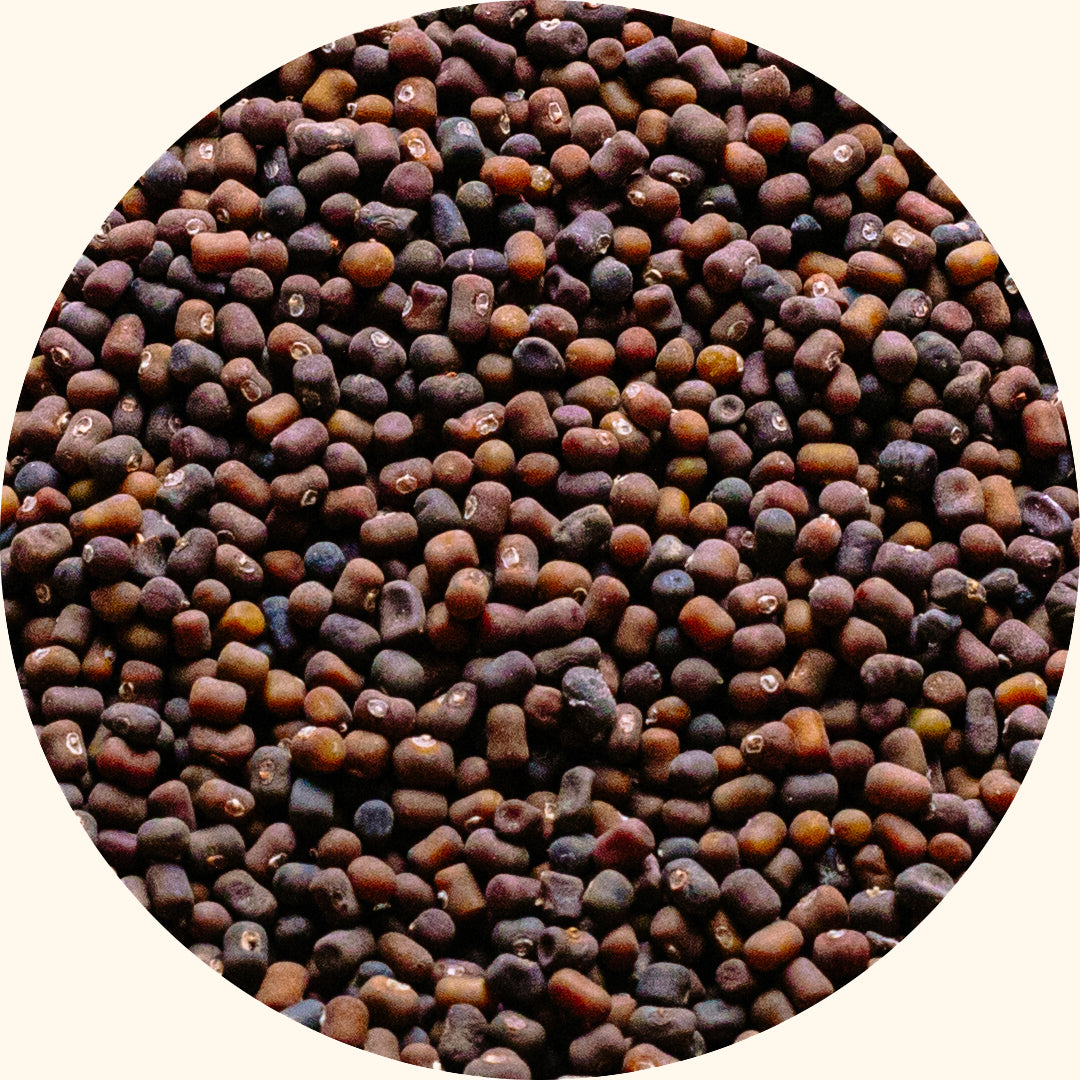
~55,000 seeds
By the numbers
Research data from Philippine DA trials, Southeast Asian plantation studies, peer-reviewed erosion research, and tropical agronomy literature.
All statistics from peer-reviewed or institutional research sources. View Philippines DA Region 9 cover crop trial →
SUPPLIER
Supplied by Kudzu Seeds Trading, the Philippines-based sister company of Chemiseed Sdn. Bhd. All seeds are tested for germination before shipment and exported with phytosanitary certification (ISPM 7 compliant, Philippine NPPO / Bureau of Plant Industry).
GLOBAL AVAILABILITY
Available for export to tropical regions worldwide, including Southeast Asia, Latin America, Africa, South Asia, and the Pacific Islands. Contact us for bulk pricing and export documentation.
Species Clarification: Not Invasive Kudzu
Pueraria javanica (PJ) is a non-invasive tropical legume native to Southeast Asia. It is taxonomically distinct from Pueraria montana var. lobata, the aggressive vine commonly known as "kudzu" in the United States. PJ grows as a controlled ground cover, does not climb aggressively into tree canopies, and has been safely used in oil palm and rubber plantations across Malaysia, Indonesia, and the Philippines for decades.
Read our full species comparison: Is Pueraria javanica the Same as Invasive Kudzu?
Related Resources
- Compare All Five Cover Crop Species
- Pueraria javanica vs Mucuna bracteata: Head-to-Head Comparison
- Is Pueraria javanica the Same as Invasive Kudzu?
- Best Cover Crop for Oil Palm Plantations
- Best Cover Crop for Rubber Plantations
- Cover Crops 101: A Guide for Tropical Plantations
- Frequently Asked Questions
Plan with our free calculators
Estimate the nitrogen this cover crop can contribute with the Nitrogen Fixation Calculator, or model erosion control with the Soil Erosion Calculator. Browse all our plantation tools.
- Germination Rate: ≥ 85% (ISTA certified)
- Seed Purity: ≥ 98%
- Moisture Content: ≤ 12%
- Origin: Philippines / Malaysia
- Packaging: 1 kg, 5 kg, 25 kg bags available
- Shelf Life: 12 months from manufacture date
- DTI Registered, Department of Trade & Industry, Philippines
- ISTA Member, International Seed Testing Association
- AOSA Compliant, Association of Official Seed Analysts
- Phytosanitary Certified, compliant for international export
- All orders require a quote request, no direct online checkout.
- Minimum order quantities apply for international shipments.
- We ship to Malaysia, Indonesia, Thailand, and other Southeast Asian markets.
- Lead time: Depending on current stock. Contact us for availability.
- Payment terms discussed upon quote approval.
Performance Data
By The Numbers
Data based on testing to ISTA and AOSA methods, MPOB and DA Philippines field references, and peer-reviewed tropical agriculture research.
Is this right for your site?
Where this fits
A fast, vigorous twining legume for quick ground cover where light is good.
Well suited for
- Immature oil palm and rubber inter-rows that need fast cover
- Erosion control on cleared or sloping ground
- Mixed legume covers (commonly with CM and CP)
- Sites wanting full ground cover within roughly six months
Less suitable for
- Deep shade under a closed mature canopy, where cover thins
- Prolonged drought with no rainfall or irrigation
- Low-maintenance situations (can climb young palms if left untrimmed)
Not sure it fits your conditions? Send your crop, area, and site details and our team will advise on suitability before you order.
Documents available
Technical Data Sheet (TDS), Certificate of Analysis (COA) with germination data, and phytosanitary certification (ISPM 7 compliant) for export are available on request.
Limitations and site considerations
Field results depend on crop system, soil, rainfall, planting method, seed quality, storage, timing, and post-establishment management. Adjust recommendations to local conditions, and contact us before ordering if you are unsure about crop fit, application rate, or site suitability.
What to include in your inquiry
- Country and delivery location
- Main crop or plantation type
- Total area in hectares
- Estimated quantity and timeline
- Buyer type: plantation, distributor, government, or smallholder
Free Planning Tool
Quick Seed Calculator
Estimate how much seed you need for your planting area.
Planting Conditions Tool
Climate Suitability Checker
Check if this species suits your planting conditions.


