
News
Practical articles from Kudzu Seeds Trading on legume cover crops, soil health, crop nutrition and pest monitoring for Philippine plantations and farms.
All articles (page 2 / 3)
-
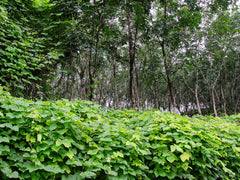
Pueraria for Philippine rubber interrows: nitrogen to the trees
Pueraria javanica is the classic interrow cover for rubber: a vigorous nitrogen-fixing legume that blankets the ground between young trees, suppresses weeds, protects the soil, and moves fixed nitrogen toward...
-
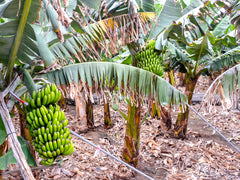
Banana Nutrition and Soil Health Beyond Fusarium
Banana nutrition rests on potassium and nitrogen, with magnesium, calcium, and a deep, well-structured, biologically active soil underneath. Banana is one of the heaviest potassium feeders in the field and...
-
Designing a cover-crop seed mix for Philippine estates
A good cover-crop seed mix for a Philippine estate combines a fast establisher, a long-term nitrogen fixer, and a shade-tolerant species so the cover holds up as the canopy closes.

-
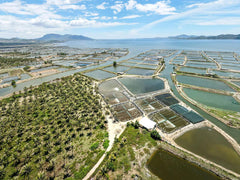
Cover Crops for Saline and Coastal Philippine Soils
Match the cover crop to the salt level and improve the soil before you expect a full stand. On saline and coastal Philippine soils, the limits are salt in the...
-
Black Pepper Nutrition for Philippine Smallholders
Black pepper nutrition for Philippine smallholders rests on steady nitrogen and potassium, well-drained soil rich in organic matter, and a root zone that never waterlogs.

-
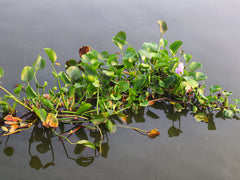
Hyacinth Plus: water-hyacinth green manure for PH smallholders
Water hyacinth (Eichhornia crassipes) is a free, fast-growing weed clogging rivers and lakes across the Philippines, and it also happens to be a useful source of organic matter and nutrients...
-
EUDR for Philippine exporters: what cover crops prove
Cover crops do not prove EUDR compliance on their own, but they fit into the documentation and traceability story that compliance requires. The EU Deforestation Regulation (EUDR) is fundamentally about...

-
El Nino Dry-Spell Cover-Crop Management
Keep your established cover crop alive through the dry spell rather than sowing new seed into dry soil. In an El Nino year, an existing legume cover protects the interrow...

-
Mucuna bracteata in Philippine oil palm: uses and limits
Mucuna bracteata is a vigorous nitrogen-fixing cover legume, and that vigour is both its main benefit and its main risk. It produces a thick, fast-spreading mat that smothers weeds and...

-
Pueraria Javanica Is Not Invasive Kudzu
Pueraria javanica is a managed tropical legume, not the invasive kudzu (Pueraria montana). The two share part of a name and the broad reputation of climbing legumes, but they are...

-
Centrosema pubescens: the shade-tolerant nitrogen fixer
If you want a legume cover that keeps fixing nitrogen after the canopy closes and holds its own in a mix, Centrosema pubescens (centro) is a reliable choice for Philippine...

-
Inoculation for acid soils: why the Bradyrhizobium matters
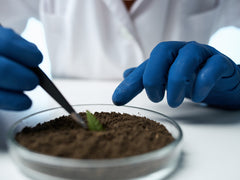
Inoculating cover-crop legume seed with the right Bradyrhizobium is what turns the seed into a nitrogen-fixing plant instead of just another green weed. A legume only fixes nitrogen when its...
-
Oil Palm Replanting Soil in Palawan and Agusan
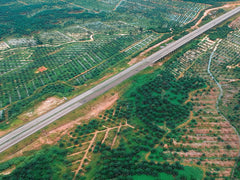
Sow your cover crop in the same season you fell the old stand. On a replant block in Palawan or Agusan, the window that matters is the first months after...
-
Calopogonium mucunoides: the fast first-year cover for PH estates
When you clear or replant a block and need ground cover before the rains start moving soil, Calopogonium mucunoides is the species that gets there first.

-
Stylosanthes for Acid and Manganese-Stressed Philippine Soils
Stylosanthes guianensis establishes and fixes nitrogen on acid, manganese-stressed Philippine soils where many legumes stall. It tolerates low pH and is moderately tolerant of high soluble aluminium and manganese, so...

-
Mycorrhizae and phosphorus in Philippine acid soils
Mycorrhizal fungi help plants reach phosphorus that is locked up in acid soils, and that matters because most Philippine plantation soils are acidic and fix phosphorus tightly.

-
Soil Carbon Sequestration in Philippine Plantations: What Growers Need to Know About Carbon Credits
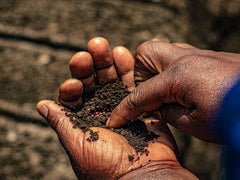
Cover crops store carbon in soil. As voluntary carbon markets grow, Philippine plantation owners who build soil carbon today may be able to monetise it tomorrow. Here is what you...
-
Cover Crop Establishment Problems in the Philippines: Diagnosis and Solutions
Cover crop plantings do not always succeed on the first attempt. This troubleshooting guide identifies the most common establishment failures on Philippine farms and provides practical solutions for each.

-
Agroforestry and Cover Crops: Integrating Ground Cover in Mixed Philippine Tree Plantations
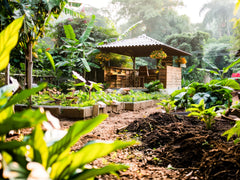
Philippine agroforestry systems that intercrop coconut with cacao, coffee, or banana can benefit from cover crop ground management. This guide explains how to integrate cover crops into multi-crop plantation systems.
-
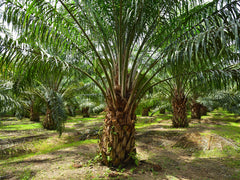
Oil Palm Expansion in Mindanao: Why Soil Management Determines Long-Term Success
Mindanao's oil palm sector is growing fast, but without proper soil management, yields can plateau as soil reserves run down. This guide covers the soil challenges specific to Mindanao and...
-
Weed Suppression Results: How Cover Crops Cut Herbicide Costs on Tropical Plantations
Real-world evidence showing how cover crops reduce weed pressure and herbicide costs on tropical plantations. Includes suppression timelines, species comparisons, and practical implementation lessons from Southeast Asian estates.

-
SoilBoost EA and Cover Crops: Using a Humic Acid Soil Conditioner During Ground Cover Establishment
How growers use SoilBoost EA, a humic acid soil conditioner, alongside cover crop seeds as part of a broader soil programme. Practical application guide with timing notes; rates follow the...

-
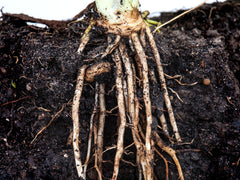
Nitrogen Fixation Explained: How to Choose Cover Crops That Feed Your Soil
Understand how biological nitrogen fixation works in tropical cover crops and what has been measured for each species. A sourced guide to help estate managers make informed decisions.
-
Cover Crops 101: A Practical Guide for Tropical Plantations in the Philippines
A comprehensive introduction to cover cropping for Philippine plantation managers. Learn why cover crops matter, which species suit tropical conditions, and how to get started with a cover crop program...


